Tampere University of Applied Sciences (TAMK)


Different ways of studying
TAMK offers a wide repertoire of studies in English: from bachelor's and master's degrees to exchange studies and continuing education. Make your way to one of the most popular universities of applied sciences is Finland!
Check out our study options


Research, development and innovation
TAMK’s professional expertise, students’ fresh ideas and partners’ development needs meet in our research, development and innovation activities. We collaborate both with private companies and with public organisations to apply research. We use Living Labs, real life test environments in our projects.

Business services
TAMK is a skilful partner in business and work community development. Our extensive expert network and inventive students are available for you. You can give us individual commissions or conclude a long-term and multidisciplinary development partnership. We also organise staff training for work communities.

International TAMK
Our international operations include several study options in English language, global education export and partnerships.
For alumni
As TAMK’s alumnus you are a part of the university community’s alumni network. Welcome to the group of more than 100,000 alumni!
For future employees
Do you want to participate in building the future? We need experts of different fields for teaching, projects and development.
For donors
By donating you will support and develop TAMK and the university community.

TAMK International Blog
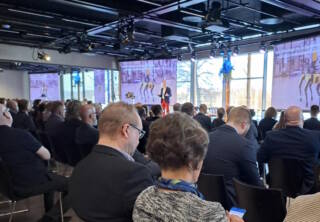
Embracing AI and Sustainability: Insights from the latest LOGY 2024 Conference
EU 4 Inclusive Education project strives for sustainable policy impact – Finnish expertise on special education supports developing national resource centers in Albania.